Your gift supports science in your community.
About Horn Point Laboratory
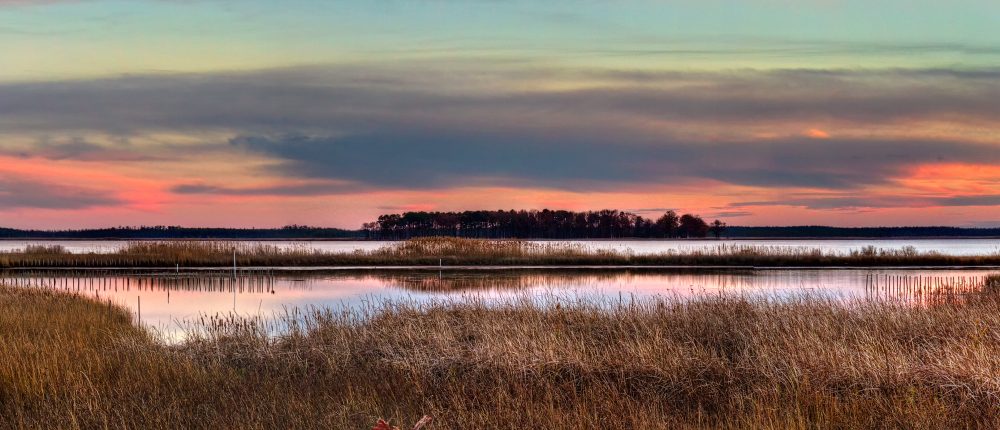
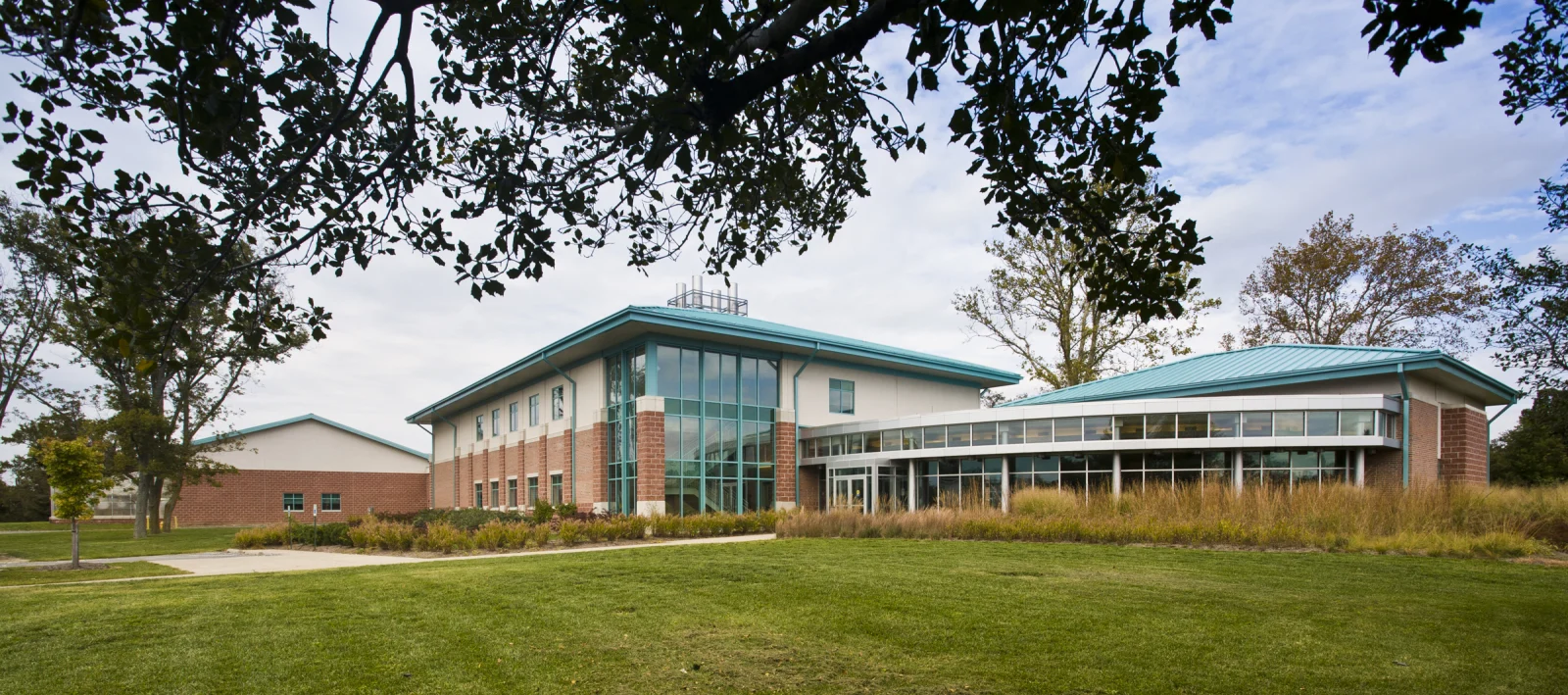
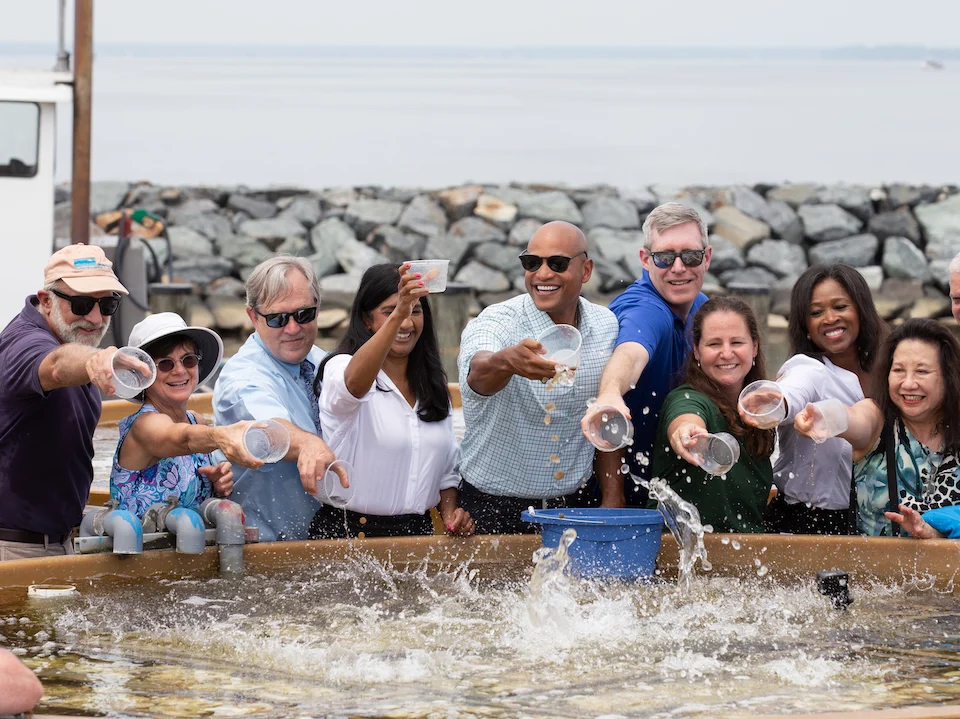
The Horn Point Laboratory, located on more than 800 acres on the banks of the Choptank River on Maryland's Eastern Shore, has advanced society’s understanding of the world’s estuarine and ocean ecosystems. Horn Point scientists are widely respected for their interdisciplinary programs in oceanography, water quality, restoration of seagrasses, marshes and shellfish and for expertise in ecosystem modeling. With ongoing research programs spanning from the estuarine waters of the Chesapeake Bay to the open waters of the world's oceans, Horn Point is a national leader in applying environmental research and discovery to solve society’s most pressing environmental problems.

Contact Information
Address:
2020 Horns Point Rd
Cambridge, MD 21613
United StatesPhone Number:
(410) 228-8200
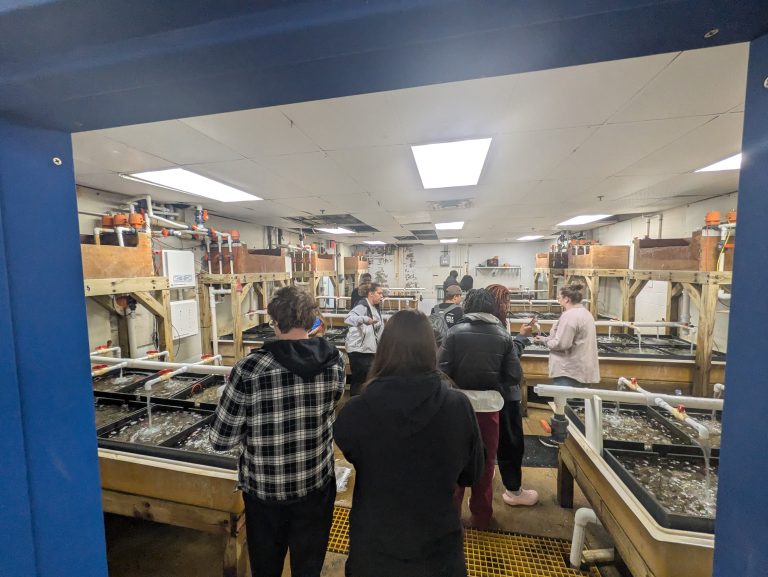
Undergraduate Visit to Horn Point Lab Supports Student Career Opportunities & Partnerships Between Institutions
View ContentToadfish STEM Adventures at Horn Point: Summer 2026
View ContentNew research reveals how fast-growing Green Tides form
View ContentGlobally diverse working group mobilizes to tackle increasing oceanic salt intrusion into estuaries and tidal rivers
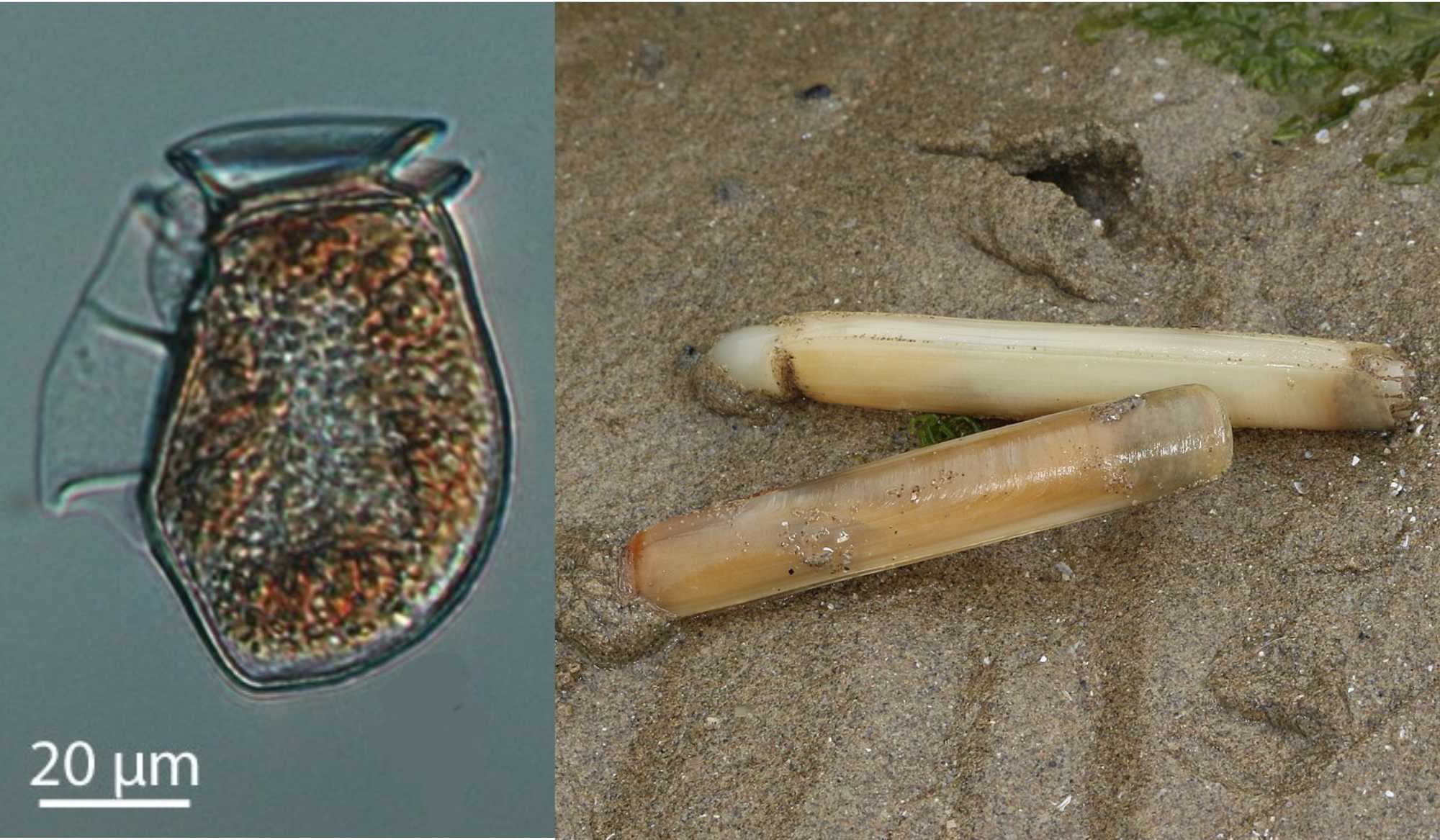
View ContentStudy to explore new low-oxygen zones impacting the nation's richest fisheries
View ContentSalt Contamination of Drinking Water is a growing threat at home and globally
View ContentNext Generation: Michael Kalinowski on reducing the environmental impacts of oyster aquaculture
View ContentNew insights on why improvements to Chesapeake Bay remain a challenge
View ContentUndergraduate Visit to Horn Point Lab Supports Student Career Opportunities & Partnerships Between Institutions
View ContentToadfish STEM Adventures at Horn Point: Summer 2026
View ContentNew research reveals how fast-growing Green Tides form
View ContentGlobally diverse working group mobilizes to tackle increasing oceanic salt intrusion into estuaries and tidal rivers
View ContentStudy to explore new low-oxygen zones impacting the nation's richest fisheries
View ContentSalt Contamination of Drinking Water is a growing threat at home and globally
View ContentNext Generation: Michael Kalinowski on reducing the environmental impacts of oyster aquaculture
View ContentNew insights on why improvements to Chesapeake Bay remain a challenge
View Content
Copyright 2026 UMCES |
Privacy/Terms of Use |
An Institution of the University System of Maryland